Part 1 – Animal Physiotherapy – When Cats and Dogs Need Physiotherapy
Continue here to Part 2.
Animal physiotherapy is all about analysing and defining functional problems that limit the animal’s mobility. Physiotherapy can help animals in a host of ways:
- prevention
- muscular problems
- after improper or excessive strain
- degenerative diseases
- after an accident and injury
- before and after surgery
- as part of a rehabilitation programme
- ageing animals
- issues with internal organs
Once the animal physiotherapist has carried out an in-depth examination, they take note of their findings and set out short- and long-term goals to improve the affected areas with the help of physiotherapy. The various types of therapy are tailored to each patient’s needs.
The animal physiotherapist also coordinates treatment with other specialists, supports the patient’s owners and can give instructions in terms of optimal management, exercises at home, or available aids.
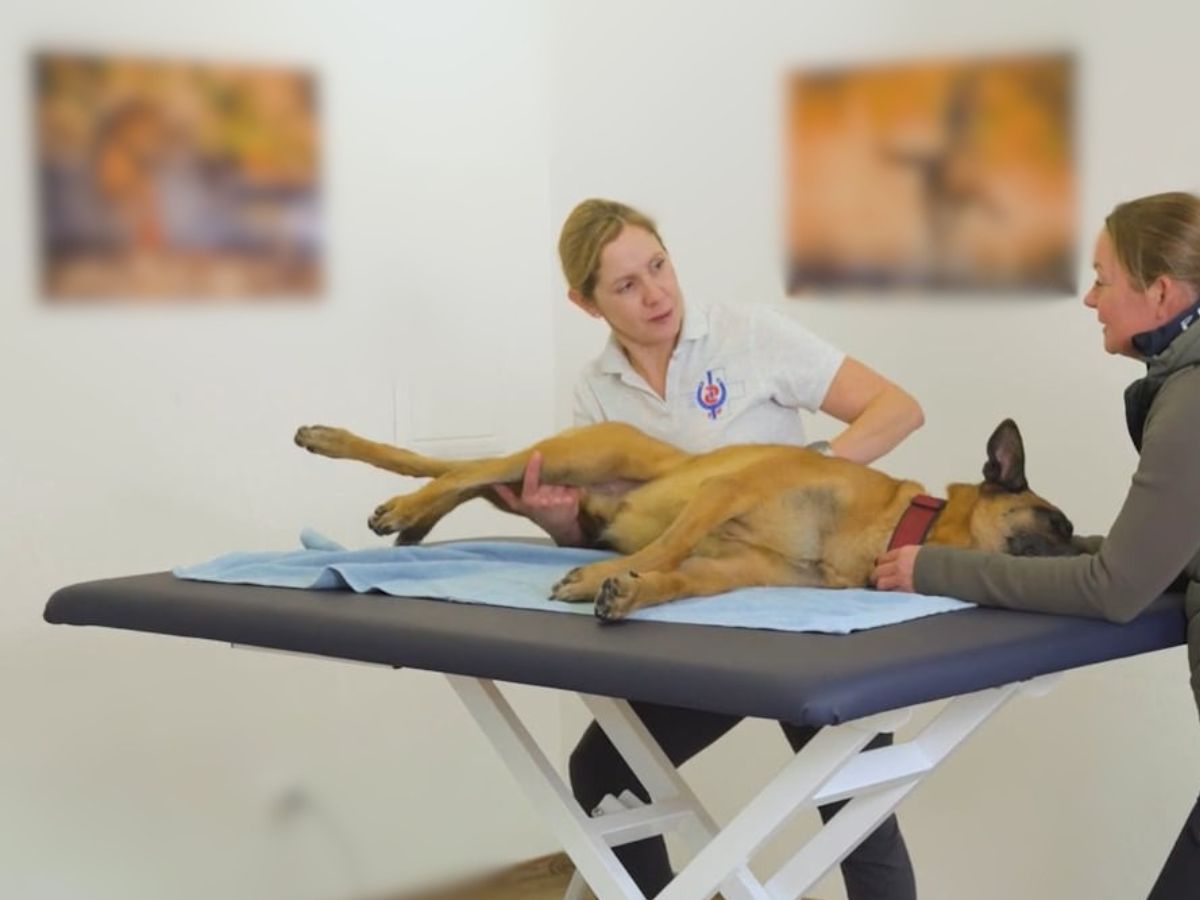
In the video, veterinary doctor Simone Zulauf, a Swiss-qualified vet and animal physiotherapist, shows us three cases: Maddox, a Belgian Shepherd receives manual treatment to loosen his muscles and mobilise his joints after surgery for a bilateral cruciate ligament tear with complications. Kimba, a 14-year-old cat with osteoarthritis and Achilles tendon issues, is also treated manually and trains her stability, coordination and strength with small gymnastics exercises. Iro, a German Shepherd Dog who has had surgery for a herniated disc and whose rear end was then completely paralysed for several weeks, is being supported in building back his muscles by walking on an underwater treadmill. The buoyancy and hydrostatic pressure of the water are a real help.
The combination of passive manual treatment, active exercises and the underwater treadmill therapy enables a targeted rehabilitation and sustainably improves the animals’ quality of life.
To find out more about animal physiotherapy and to find animal physiotherapists in your area, visit the Swiss Association for Animal Physiotherapy’s website at https://svtpt.ch/de/home
Continue here to Part 2.